Understanding Eurycoma longifolia

Traditional Knowledge About Southeast Asian Botanical Heritage

What is Eurycoma longifolia

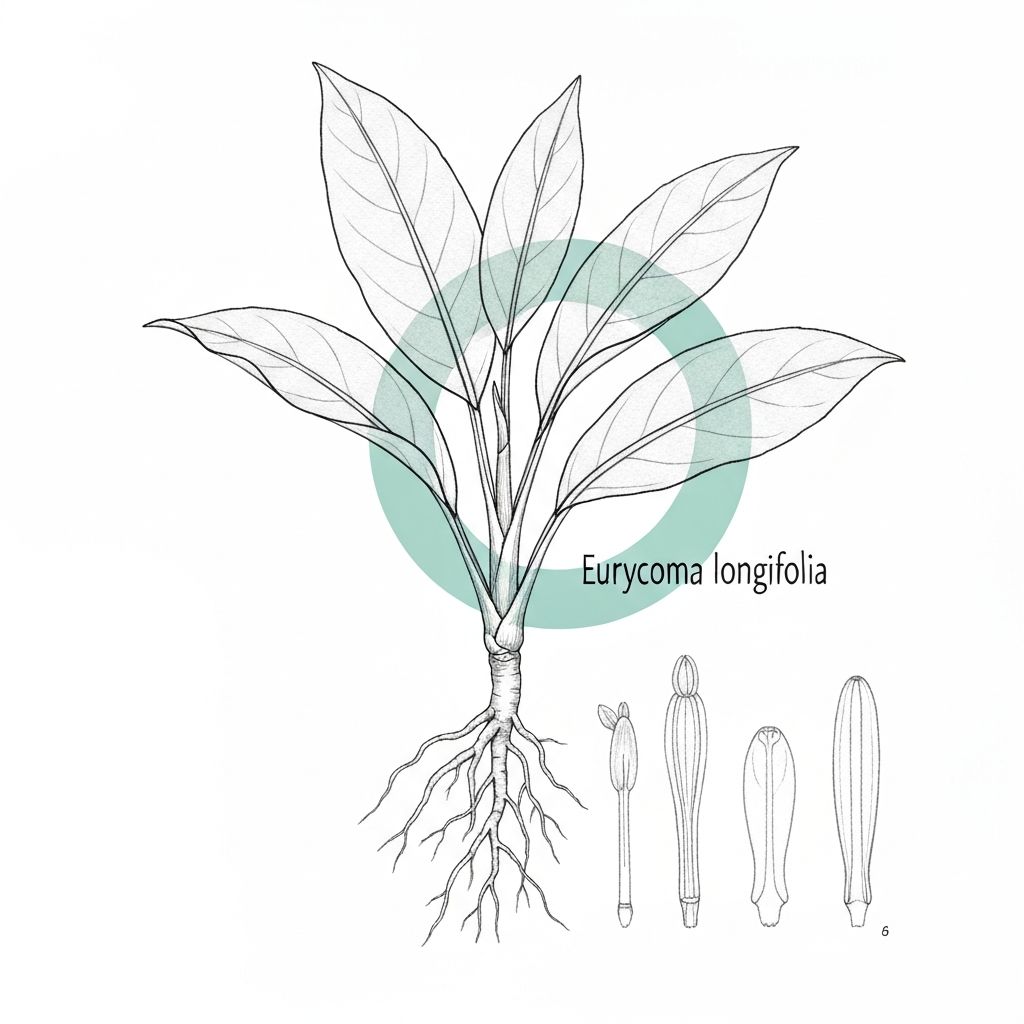
Botanical illustration of Eurycoma longifolia

Eurycoma longifolia, commonly known as Tongkat Ali, Longjack, or Malaysian Ginseng, is a flowering shrub native to Southeast Asia. The plant belongs to the family Simaroubaceae and has been a part of traditional wellness practices in the region for centuries.

Scientific Classification

Kingdom: Plantae
Family: Simaroubaceae
Genus: Eurycoma
Species: E. longifolia

Common Names

  • Tongkat Ali (Malaysian)
  • Longjack (English)
  • Pasak Bumi (Indonesian)
  • Malaysian Ginseng
  • Eurycoma (Scientific)

Historical & Traditional Use in Southeast Asia

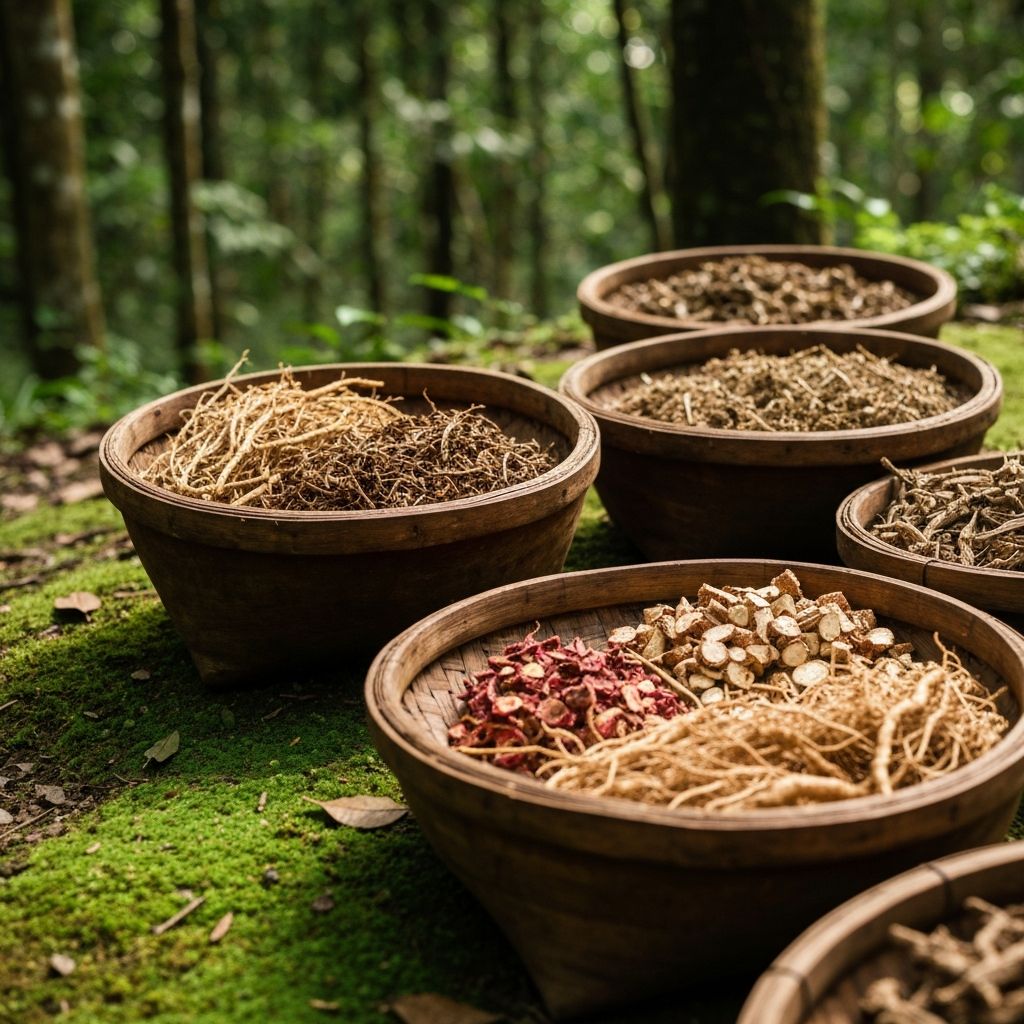
Traditional wooden baskets with herbs

Cultural Context in Indonesia and Malaysia

In Indonesia, Eurycoma longifolia (Pasak Bumi) has been used for generations as part of traditional herbal medicine. The plant grows naturally in the rainforests of Malaysia, Indonesia, and Brunei, where it has been integrated into local wellness practices.

Traditional Preparation Methods

Historically, the root of Eurycoma longifolia was prepared by:

  • Drying and grinding into fine powder
  • Steeping in water or other liquids to create infusions
  • Combining with other regional plants for synergistic preparations
  • Storing in traditional wooden containers

These preparation methods reflected the knowledge accumulated over centuries by Southeast Asian herbalists and traditional practitioners.

Key Phytochemical Compounds

The root of Eurycoma longifolia contains a complex matrix of phytochemical compounds that have been the subject of botanical and scientific interest:

Primary Components

These compounds represent the natural complexity of the plant and contribute to its traditional use in Southeast Asian wellness practices. The interaction and combination of these components creates the plant's distinctive profile in traditional herbal knowledge.

Natural Habitat and Cultivation

Lush Indonesian rainforest habitat

Regions of Natural Growth

Eurycoma longifolia grows naturally across Southeast Asia, with the highest concentration in:

  • Malaysian Peninsula (primary native range)
  • Sumatra and Kalimantan in Indonesia
  • Brunei rainforests
  • Parts of Thailand and Myanmar

Growing Conditions

Climate: Tropical, humid environments with consistent rainfall
Soil: Deep, well-draining forest soil rich in organic matter
Elevation: Typically found between 75-1,200 meters above sea level
Environment: Understory layer of tropical rainforests with filtered light

The plant's natural habitat in dense tropical forests has shaped its growing characteristics and its role in the regional ecosystem.

Forms of Root Extracts and Preparations

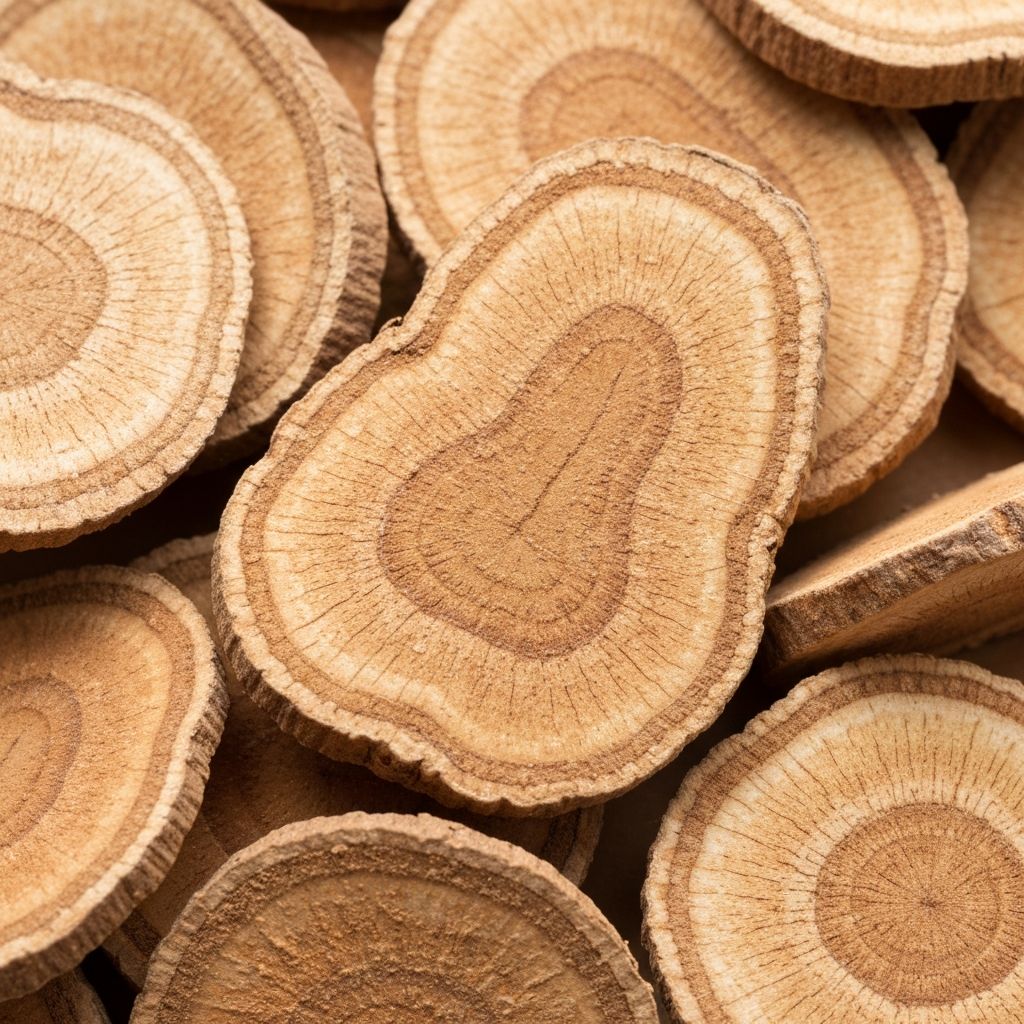
Close-up of dried root and powder forms

Common Extract Forms

Powder Form

Ground dried root material offers the most basic form. The root is dried and finely ground, preserving the full spectrum of phytochemicals in their natural state. This form maintains direct connection to traditional preparation methods and requires only addition of water or liquid for use.

Capsules and Standardized Extracts

Modern capsule forms provide convenience and consistent portioning. These typically contain concentrated root material or standardized extracts, offering ease of storage and precise dosing compared to raw powder.

Herbal Tea Blend

Whole dried root pieces can be steeped in hot water to create infusions, following traditional preparation methods. This form maintains minimal processing and allows for a ritualistic approach to plant use, consistent with Southeast Asian herbal traditions.

All forms represent different approaches to accessing the plant's traditional profile, with varying degrees of processing and convenience.

General Role of Plant Nutrients in Daily Life

Plants have traditionally served as sources of beneficial compounds that support balanced living. The various nutrients and phytochemicals found in natural plants like Eurycoma longifolia represent part of a broader pattern of how humans have sought nutritional support from the plant kingdom.

Micronutrients and Plant Compounds

Natural plants contain:

Balanced Lifestyle Integration

Plant nutrients are traditionally understood as part of a comprehensive approach to vitality that includes:

The role of plant compounds is understood within this broader context of comprehensive wellness, not as isolated interventions.

Breathing Practices for Calmness

Serene forest morning with mist

Traditional wellness practices across Southeast Asia have long incorporated breathing techniques as a fundamental approach to managing stress and maintaining mental clarity. These practices work alongside proper nutrition and lifestyle to support overall wellbeing.

Diaphragmatic Breathing

Also known as belly breathing, this technique involves breathing deeply into the abdomen rather than shallow chest breathing. By engaging the diaphragm, this practice is believed to activate the parasympathetic nervous system, supporting relaxation and stress reduction.

Simple Practice

  • Breathe in slowly through the nose for 4 counts
  • Hold for 4 counts
  • Exhale slowly through the mouth for 4 counts
  • Repeat 5-10 times, allowing the body to settle

Regular practice of such breathing patterns is understood as supporting calm focus and stress resilience, complementing other wellness practices.

Short Relaxation Techniques

Peaceful natural landscape

Beyond breathing practices, simple relaxation techniques have been developed to help manage daily stress and support mental wellbeing. These can be incorporated into daily routines without requiring special equipment or training.

Progressive Muscle Relaxation

This technique involves systematically tensing and then releasing different muscle groups. By becoming aware of physical tension and consciously releasing it, individuals develop better body awareness and stress management skills.

Mindfulness Pauses

Brief moments of focused attention during the day can support mental clarity. Taking 2-3 minutes to focus on present sensation, breathing, or a simple activity creates small islands of calm throughout the day and can support overall stress resilience.

Nature Connection

Time in natural settings, even brief exposure to green spaces or natural light, has been traditionally valued and is supported by contemporary research as beneficial for mental wellbeing and stress reduction.

These practices work alongside proper nutrition and lifestyle to create a comprehensive approach to managing daily stress and supporting wellbeing.

Nutritionist Views on Balanced Living

Modern nutritional science and traditional wellness practices converge on several fundamental principles for maintaining vitality and wellbeing. These represent the broader context within which plant-based nutrients are understood and used.

Core Elements of Balanced Living

Nutritional Diversity

The foundation of supported wellness is consuming a wide variety of whole foods. This includes diverse vegetables, fruits, grains, proteins, and fats from multiple sources. Such diversity ensures exposure to varied phytochemicals and nutrients that support different body systems.

Proper Hydration

Adequate water intake supports fundamental physiological processes including nutrient transport, temperature regulation, and cellular function. Most wellness approaches emphasize consistent hydration as foundational.

Sleep Quality

Sleep is when the body consolidates learning, repairs tissue, and balances hormones. Seven to nine hours of consistent sleep is understood as critical to supporting immune function, cognitive performance, and emotional resilience.

Physical Activity

Regular movement supports cardiovascular health, maintains muscle mass, supports bone density, and contributes significantly to mental wellbeing through neurochemical and psychological mechanisms.

Stress Management

Chronic stress impacts digestion, immune function, and hormonal balance. Practices that support stress resilience—whether breathing work, meditation, social connection, or physical activity—are understood as essential components of a balanced approach to health.

Plant-based supplements and nutrients are understood within this comprehensive context. They represent one component of a broader lifestyle approach that prioritizes fundamentals like nutrition, sleep, activity, and stress management.
Important Context & Limitations

Educational Content Only. No Promises of Outcomes.

All content on this website is provided for informational and educational purposes only. The information presented about Eurycoma longifolia is based on traditional use, botanical knowledge, and available research, but is not intended as personal health advice.

Individual Variation: People respond differently to plants and supplements. What is traditionally used in one context may have different relevance or effects in another individual situation.

No Personal Recommendations: This site does not provide personalized health recommendations, medical advice, or treatment suggestions. The information provided is general botanical and historical knowledge intended for educational awareness.

Professional Consultation: Before making any changes to your health regimen, diet, or supplement use, consult with a qualified healthcare professional who understands your individual health situation, current medications, and personal health history.

Responsibility for Decisions: Your decisions regarding health and wellness are your responsibility. Use this information as educational context, not as a basis for personal health choices without professional guidance.

No Guarantees: This website makes no claims about outcomes, benefits, or effects of Eurycoma longifolia or any plant material. Traditional use does not guarantee results in contemporary contexts.

For questions about your specific health situation, please consult appropriate healthcare professionals.